Now Open: The Centers’ Glick Recovery Campus →Learn More
The Centers' H.O.P.E. Campus®
What We Do
Built on Partnership
Created with a strong network of public and private partners, The Centers’ H.O.P.E. Campus® provides a strategic, local response to the growing need for intensive trauma-informed youth services. As a residential program, we serve youth in crisis or in need of comprehensive evaluation prior to long-term placement. Together, we provide high-quality, coordinated care close to home, filling a critical gap in the regional continuum by supporting youth involved in child welfare, juvenile justice, and behavioral health systems.
A New Fieldhouse Is Coming to H.O.P.E. Campus
Thanks to Cleveland-Cliffs, the Cleveland Cavaliers, SERVPRO, and other community partners, our aging gymnasium is being transformed into a state-of-the-art fieldhouse where youth can move, play, and heal.
The Centers’ H.O.P.E. Campus® shows what’s possible when care is coordinated and compassionate. Through a trauma-informed, data-driven model, we help youth heal and rebuild trust while aligning families, caregivers, and system partners around each young person’s needs. This coordinated approach improves placement stability, strengthens families, and builds a healthier community for all.
Goals
1
Continuum of Quality Care
Provide a continuum of quality care for youth in a residential and community setting.
2
Access to Services & Skills
Provide youth with access to education, recreation, medical, mental health, and stabilization services.
3
Independence & Self-Sufficiency
Instill the resiliency and competency necessary for independence and self-sufficiency.
The Centers' H.O.P.E. Campus® Enrichment Program
The Enrichment Program at The Centers’ H.O.P.E. Campus® is a collaborative effort between staff, community organizations, and outside partners to offer activities that enhance youth engagement, build skills, and promote healing. The program includes a wide variety of structured activities designed to foster personal growth and exposure to diverse interests. Activities are selected based on youth interests, developmental needs, and therapeutic goals, and may include arts, academics, fitness, field trips, and vocational learning.
Dawnya Underwood, LMSW, PMD, is a visionary nonprofit executive and child welfare strategist with over 20 years of experience leading systems change. As Executive Director of The Centers’ H.O.P.E. Campus®, she champions trauma-informed care, cross-sector partnerships, and innovative solutions that strengthen families and stabilize youth before crisis occurs. Her leadership is rooted in justice, compassion, and a deep commitment to building systems that uplift and protect children, families and communities.
Foundational Services
The Centers’ H.O.P.E. Campus® is an integrated community of care supporting youth and families with prevention, treatment, stabilization, and long-term healing.
Education and Life Readiness
In partnership with Cleveland Metropolitan School District, youth receive six hours of on-site instruction daily across 185 school days, with academic plans tailored to each student’s unique needs.
Enrichment and Wellness
Youth participate in daily programming focused on art, recreation, self-esteem, physical wellness, and specialized enrichment activities.
Clinical Services/Programming
Youth receive weekly individual and group therapy sessions, guided by evidence-based models such as Trauma-Informed Care and Trauma-Focused Cognitive Behavioral Therapy (TF-CBT). These approaches promote healing, build healthy coping strategies, and strengthen emotional resilience.
Family-Centered Support
Programs that actively engage families and caregivers, rebuild relationships, and strengthen long-term connections.
Transportation
Health and medical appointments
Community-based school (limited services)
Family visits (limited services)
Health Services
Youth have access to 24/7 on-site nursing, psychiatric care with medication management, and primary care, and dental services through The Centers’ health network.
Our Campus
24/7 Child Wellness Welcome Center
24/7 Child Wellness Welcome Center
A compassionate, family-centered entry point for youth experiencing a placement crisis. Co-operated by The Centers and Cuyahoga County DCFS, it provides immediate stabilization and support in a safe, welcoming space. Families are connected to behavioral health, medical, and community services that help restore stability, strengthen relationships, and keep youth close to home.
School
School
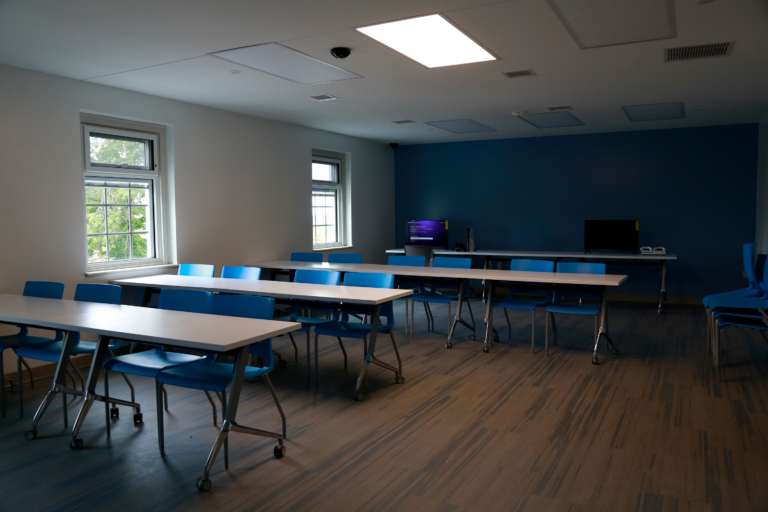
Our small, supportive classrooms provide trauma-informed instruction, helping youth in residential care maintain academic progress, build confidence, and find stability in learning.
Gym
Gym
A hub for recreation and wellness, the gym offers sports, fitness, and enrichment activities that promote healthy outlets, teamwork, and confidence.
Cafeteria
Cafeteria
With guidance from a licensed nutritionist, our kitchen serves USDA-compliant, nourishing meals daily to support youth health and growth.
How The Centers' H.O.P.E. Campus® meets the new Qualified Residential Treatment Program (QRTP) Requirements
Treatment Model
The Centers’ H.O.P.E. Campus™ adopted and implemented Trauma-Focused Cognitive Behavioral Therapy (TF-CBT), a structured, evidence-based treatment for children and adolescents exposed to trauma. Key components include:
Psychoeducation about trauma and its effects
Coping and relaxation skills
Gradual exposure to trauma memories (via trauma narrative)
Cognitive processing and restructuring
Caregiver support and engagement
Our environment, policies, and practices are aligned with Trauma-Informed Care (TIC) principles, including Safety, Trustworthiness & Transparency, Peer Support & Collaboration, Empowerment & Choice and Cultural Responsiveness.
Assessment by a “Qualified Individual” within 30 Days of the Start of Each Placement
The Centers’ H.O.P.E. Campus® completes regular diagnostic and assessments within its current clinical structure in compliance with Ohio Department of Behavioral Health (ODBH) and Department of Children and Youth (DCY).
Family Engagement
Families are engaged while children receive treatment and during family team meetings. Staff work with families a minimum of 30 days prior to discharge to prepare for their transition home, when applicable. Staff use the evidence-based Family Finding model to identify existing connections to extended family.
Exit Planning & Aftercare Supports
In addition to engaging with families a month before discharge, The Center’s H.O.P.E. Campus® works with youth and families (as applicable) for up to six months post-discharge in a trauma-focused aftercare program. When youth are placed with family, parents are trained in behavioral interventions to support placement stability.
Registered Nurse On-Site at All Hours
The Centers’ H.O.P.E. Campus® has an around-the-clock Federally Qualified Health Center. Staff include registered nurses, a nurse practitioner, a child psychiatrist, and a child medical officer.